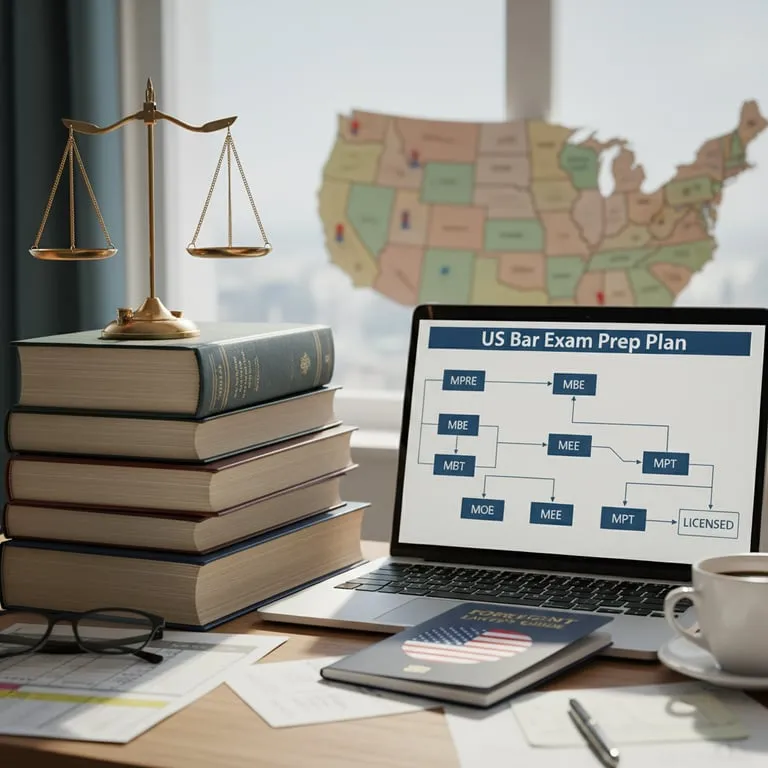
Essential Guide to Preparing for the US Bar Exam for Foreign Lawyers
Hey there, fellow legal eagles from abroad! So, you’re eyeing that US Bar Exam, huh? It feels like a mountain to climb, doesn’t it? I get it, I really do. I’ve been there, staring at the sheer volume of information and wondering, “How on earth do I even start?!” It’s a huge leap, but trust me, it’s absolutely doable. Think of me as your study buddy, someone who’s navigated this path and wants to share some hard-won wisdom with you. We’re going to break this down together, step by step, so it feels less like an insurmountable challenge and more like a series of achievable goals. Ready to dive in? Let’s get this done!
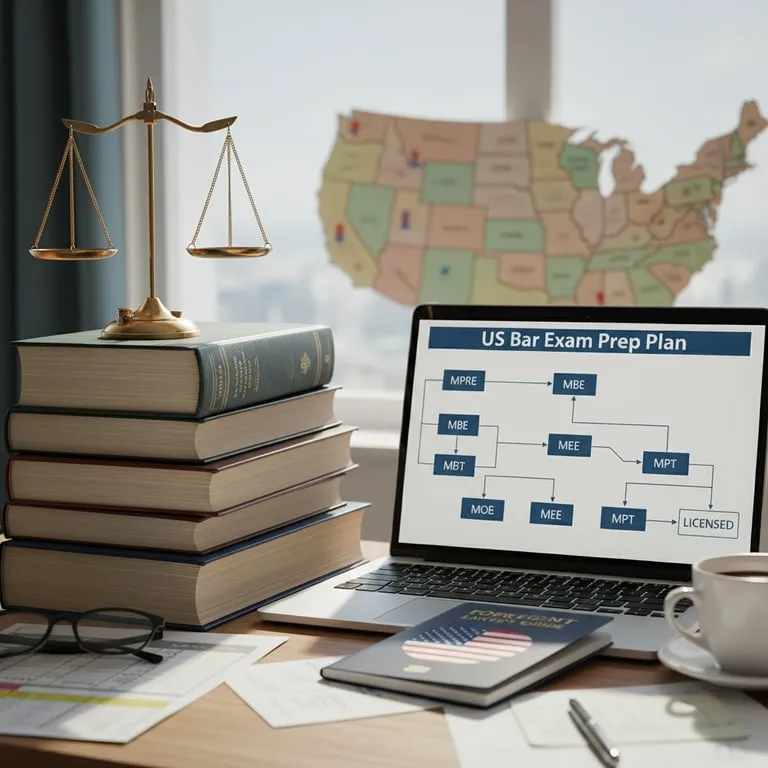
- Understand the different Bar Exam jurisdictions and their unique requirements.
- Develop a strategic study plan, allocating ample time for each subject.
- Master the Multistate Bar Examination (MBE) and essay writing techniques.
- Practice consistently with past exam questions and simulated exams.
Navigating the Jurisdictional Maze
First things first, not all US Bar Exams are created equal! Each state, and sometimes even specific federal circuits, has its own rules and exam content. It’s like choosing your adventure, but with more legal statutes. For instance, New York and California are popular choices for foreign-educated lawyers, but they have different structures. New York’s exam has a strong emphasis on the MBE, while California is known for its challenging essay portion and the Performance Test. You’ll want to research the specific jurisdiction you’re aiming for. Check their Board of Bar Examiners website – they usually have all the nitty-gritty details, like eligibility requirements (especially for foreign-trained lawyers!), application deadlines (don’t miss these!), and the specific subjects tested. Seriously, this is your foundational step. Getting this right saves so much heartache later!
Jurisdiction Research
Confirm eligibility, exam structure, and subject matter for your target state.
Application Deadlines
Mark these dates! Missing them can mean a year’s delay.
Crafting Your Master Study Plan
Okay, once you know *where* you’re aiming, it’s time to figure out *how* you’ll get there. This isn’t a sprint; it’s a marathon with complex legal hurdles! A structured study plan is your lifeline. Most foreign lawyers find they need at least 4-6 months of dedicated, full-time study. Some even longer, depending on their prior legal exposure and English proficiency. Don’t just passively read outlines; you need active learning! Break down the subjects into manageable chunks. Allocate specific days or weeks to each topic. For example, you might dedicate 2 weeks to Torts, 3 weeks to Contracts, and so on. Remember the MBE subjects are weighted heavily, so give them the attention they deserve. I found that creating a weekly schedule, down to the hour, really helped me stay on track. It sounds intense, but it gave me a sense of control and progress!
Study Duration (Estimate)
4 Months
Full-Time
6+ Months
Intensive
Adjust based on your background and learning style!
Conquering the MBE and Essays
The Multistate Bar Examination (MBE) is a beast with 200 multiple-choice questions, spread over two days. It tests seven core subjects: Civil Procedure, Constitutional Law, Contracts, Criminal Law & Procedure, Evidence, Real Property, and Torts. Accuracy here is key! But it’s not just about knowing the law; it’s about applying it under pressure. This is where consistent practice comes in. Seriously, do thousands of MBE questions. Aim for a target score, and analyze every single question you get wrong. Why was it wrong? Was it a knowledge gap, or a misreading of the question? That’s crucial insight! And then there are the essays. They test your ability to articulate legal arguments clearly and concisely. Learn the IRAC (Issue, Rule, Application, Conclusion) method. Practice writing essays under timed conditions. It might feel awkward at first, like trying to write with your non-dominant hand, but it gets smoother! The more you write, the faster and more coherent your answers will become. Don’t shy away from practice essays; they are your best friend!
“The MBE is a marathon, not a sprint. Consistent, deliberate practice is the secret sauce.”
MBE Subject Breakdown (Approx. % of Questions)
Civil Procedure
Constitutional Law
Contracts
Criminal Law & Pro.
Evidence
Real Property
Torts
The Power of Practice and Simulation
You wouldn’t run a marathon without training, right? The Bar Exam is no different. Consistent practice is not just recommended; it’s absolutely mandatory! Get your hands on actual past exam questions. Many Bar prep courses offer extensive question banks, and you can often find released MBE questions directly from the NCBE (National Conference of Bar Examiners). Simulate exam conditions as much as possible. Take full-length practice exams under timed conditions. This helps you build stamina, manage your time effectively, and get accustomed to the pressure. I remember feeling so drained after my first timed simulated exam, but it was invaluable in showing me where I needed to improve my pacing. Don’t just practice questions; review them thoroughly. Understand why you got questions right and, more importantly, why you got them wrong. This iterative process of practice, review, and refinement is what truly solidifies your knowledge and builds confidence. It’s the gritty, often unglamorous, work that makes all the difference!
MBE Questions
(Recommended Target)
Full-Length Practice Exams
(Simulated Conditions)
Review & Analysis
(Crucial for Improvement)
Frequently Asked Questions
Do I need a Bar prep course?
While not strictly mandatory, most foreign-trained lawyers find a comprehensive Bar prep course invaluable. They provide structured study materials, practice questions, and often lectures that can significantly streamline your preparation. Many courses also offer specific guidance for foreign-educated applicants!
How much time should I dedicate daily?
If you’re studying full-time, aim for 6-8 hours of focused study per day, 5-6 days a week. This includes lectures, reading, outlining, and practicing questions. Consistency is more important than cramming!
What if my English isn’t perfect?
This is a common concern! Many Bar prep courses offer supplemental materials or classes focusing on legal English. Reading legal texts, watching legal dramas (yes, really!), and practicing writing essays are excellent ways to improve. Don’t let it hold you back; focus on clear, concise communication.
How do I handle the stress?
It’s a high-stress period, for sure! Schedule breaks, get enough sleep, eat well, and exercise. Connect with other students or find a study group for support. Remember why you’re doing this – your future career is worth the effort!