Essential Guide to Understanding Copyright Fair Use Doctrine
Ever felt that little flutter of worry when you wanted to use a piece of someone else’s creative work for your own project? You know, that feeling like you’re navigating a legal minefield? We’ve all been there, haven’t we? It’s such a common dilemma, especially in our super-connected digital world where sharing and remixing are practically part of the creative DNA. But what if I told you there’s actually a bit of breathing room, a concept that allows for the use of copyrighted material without needing direct permission? Let’s journey into the fascinating world of the Copyright Fair Use Doctrine together! It’s not as daunting as it might sound, I promise. Think of me as your friendly companion, helping you navigate these sometimes-tricky waters.
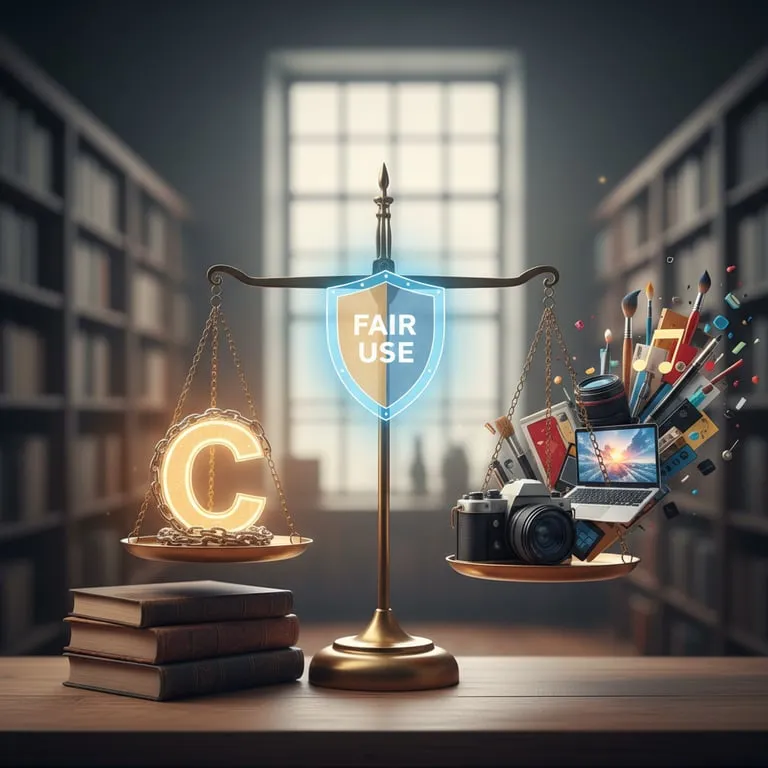
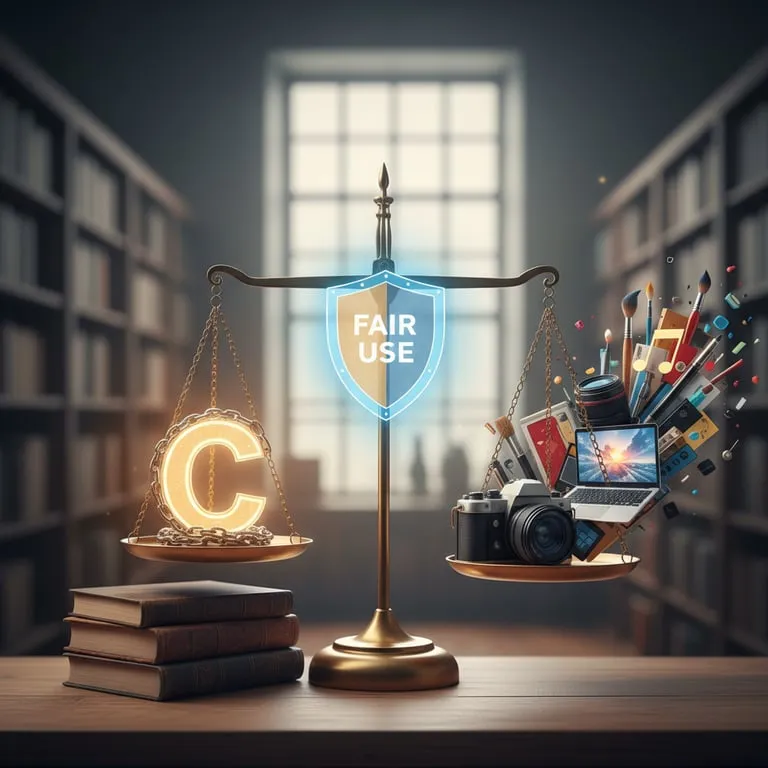
- Fair Use is a legal doctrine that permits limited use of copyrighted material without acquiring permission from the rights holders.
- It’s determined by a four-factor test, focusing on the purpose of your use, the nature of the copyrighted work, the amount used, and the effect on the market.
- It’s not a blanket permission slip, but a defense against copyright infringement claims.
- Understanding these factors is crucial for creators, educators, and anyone sharing content online.
Myth Busting: What Fair Use Is NOT
First off, let’s clear the air about some common misunderstandings, shall we? A big one is thinking that if you give credit, it automatically makes your use fair. Nope, that’s a myth that unfortunately gets passed around a lot! While attribution is a fantastic practice and often the courteous thing to do, it doesn’t magically transform an infringing use into a fair one. Another common misconception? That non-profit or educational use is always fair. While these purposes often weigh in favor of fair use, they aren’t automatic passes. The courts look at the entire picture, not just one piece! Remember the landmark case of Authors Guild, Inc. v. Google, Inc.? Google Books scanned millions of books, and while that sounds like a monumental undertaking, the court found it transformative for purposes of search and research, leaning towards fair use. It really shows how nuanced this can get!
Attribution Isn’t Enough
Giving credit is wonderful, but it doesn’t replace the need to analyze fair use factors. It’s a piece of the puzzle, not the whole solution!
Non-Profit Isn’t Automatic
Educational or non-commercial use *favors* fair use but isn’t a guaranteed win on its own. The other factors still matter immensely!
The Four Factors Unpacked
So, what *does* determine fair use? The law outlines four key factors that courts consider. Think of them as a balancing act. It’s rarely a slam dunk based on just one factor alone! You have to look at them all together.
1. The Purpose and Character of Your Use
This is a big one! Is your use commercial, or is it for non-profit educational purposes? And more importantly, is your use transformative? This means you’re adding something new, with a further purpose or different character, rather than just reprinting or re-sharing the original. Think commentary, criticism, news reporting, teaching, scholarship, or research. Using a movie clip for a critical review? That’s often considered transformative!
2. The Nature of the Copyrighted Work
Facts and ideas are generally not copyrightable, but the *expression* of them is. Using factual works (like news articles or historical accounts) tends to lean more towards fair use than using highly creative works (like novels, poems, or songs). It makes sense, right? We need to be able to report on facts freely!
3. The Amount and Substantiality of the Portion Used
How much of the original work did you use? And was the part you used the “heart” of the work? Using a small, insignificant portion is more likely to be considered fair use than using a large chunk, especially if that large chunk is the most memorable or important part. For instance, quoting a sentence or two from a long article is vastly different from using the entire article!
4. The Effect of the Use Upon the Potential Market for or Value of the Copyrighted Work
This factor asks: does your use harm the original creator’s ability to make money from their work? If your use acts as a substitute for the original, or significantly undermines its market, it’s unlikely to be considered fair use. For example, if you posted the entire latest episode of a popular TV show on your blog, that would likely hurt the show’s official viewership and revenue streams, right?
Purpose & Character
Transformative? Educational? Non-profit? Or purely commercial?
Nature of Work
Factual (leans fair) vs. Creative (less likely fair)?
Amount Used
How much? Was it the “heart” of the work?
Market Effect
Does it harm the original’s market value or act as a substitute?
Putting Fair Use into Practice
Navigating fair use can feel like a bit of an art, can’t it? It’s a defense, not a pre-approved right. This means if a copyright holder believes you’ve infringed, they can sue, and you’d then use fair use as your argument in court. It’s a case-by-case analysis, and what’s fair use for one situation might not be for another. It’s always wise to err on the side of caution if you’re unsure! Consider transforming the work significantly, using only what’s absolutely necessary, and ensuring your use doesn’t undercut the original’s market. If you’re using a short clip for educational commentary, for instance, that’s a much stronger case than, say, embedding an entire song for background music on your commercial website. Being mindful and doing your homework really pays off!
“Fair use isn’t a loophole; it’s a crucial doctrine that balances the rights of copyright holders with the public interest in the wider dissemination of knowledge and creativity.”
So, while it’s a bit of a complex area, understanding these core principles of the Copyright Fair Use Doctrine empowers you to create and share more confidently. It’s all about finding that sweet spot between respecting creators’ rights and fostering a vibrant, expressive culture. Happy creating!
Frequently Asked Questions
Is there a magic percentage or word count for fair use?
No, there isn’t! While using less is generally safer, it’s the quality and nature of the portion used, and how it fits into the overall purpose, that matters more than a strict number. For example, using the entirety of a very short poem might be fair use for criticism, even though it’s 100% of the work.
Does fair use apply to images and music?
Yes, it absolutely does! The same four factors apply to images, music, video, and any other type of copyrighted work. However, fair use for music and images can sometimes be trickier, especially if the use is highly commercial or directly competes with licensing opportunities.
Can I use copyrighted material if I modify it slightly?
Slight modifications alone don’t guarantee fair use. The key is whether your use is transformative. Simply changing a few words or colors might not be enough if the core purpose and market effect remain similar to the original.
What’s the difference between fair use and public domain?
Great question! Works in the public domain are no longer protected by copyright and can be used freely by anyone without permission. Fair use, on the other hand, applies to works that *are* still protected by copyright, allowing limited use under specific circumstances. It’s a defense, not a free-for-all!