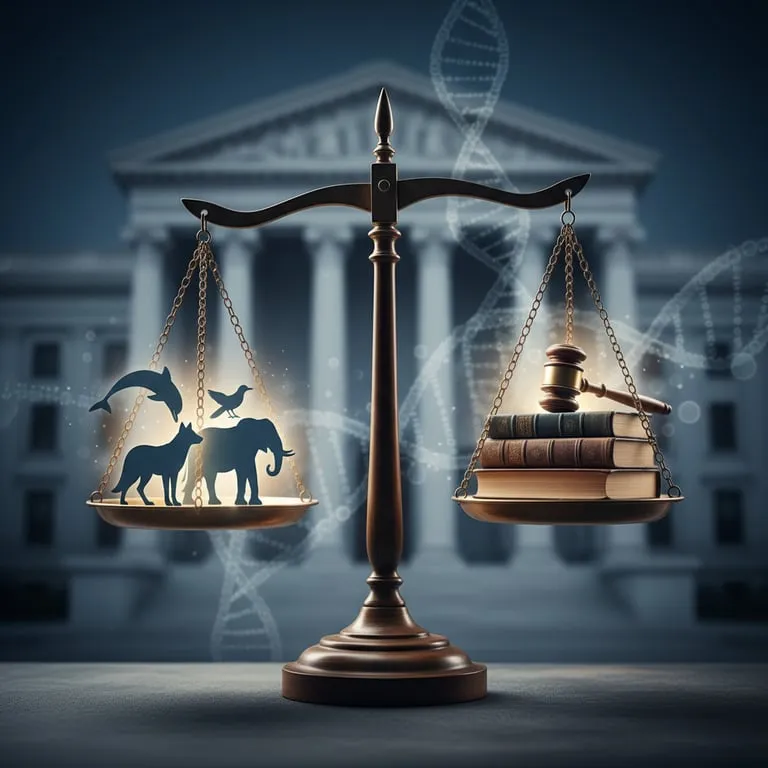
Essential Terminology for Understanding Animal Rights Law
- Understanding core terms like ‘sentience’ and ‘personhood’ is crucial for grasping animal rights.
- Laws vary greatly, often reflecting societal views and scientific understanding of animal capabilities.
- The legal landscape for animals is evolving, moving beyond mere property status in many areas.
- Knowing these terms empowers you to engage more effectively in discussions and advocacy.
Hey there! Ever found yourself lost in conversations about animal rights, feeling like everyone’s speaking a secret language? I totally get it! It can feel a bit overwhelming, can’t it? The world of animal rights law is fascinating, and understanding some of the key lingo can make all the difference. Think of it like learning the basic chords before playing a song – once you know them, the whole melody opens up! So, let’s dive in together and demystify some of those essential terms, shall we? It’s actually quite an exciting journey to understand how our legal systems are starting to see our animal friends.
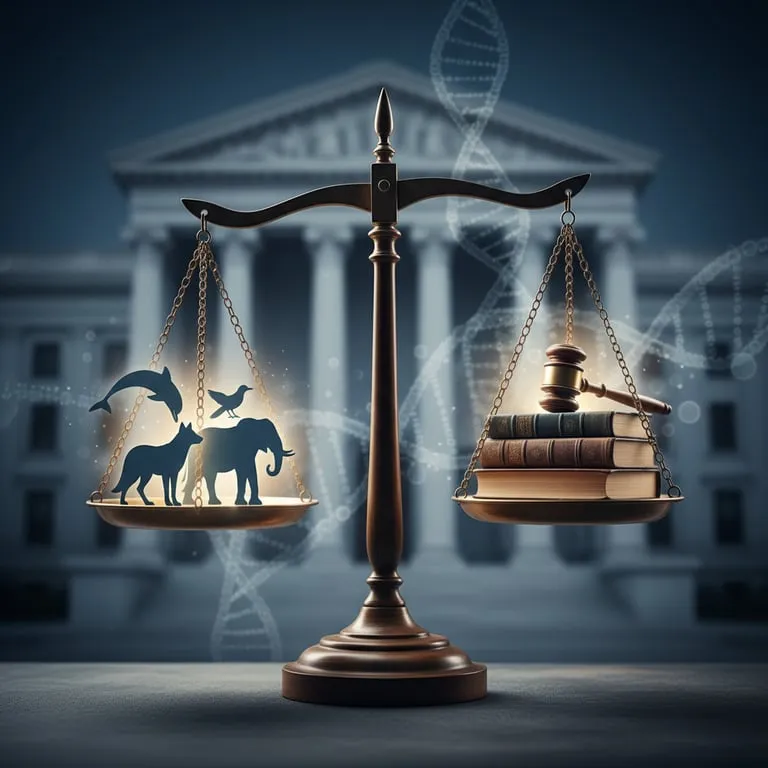
What Does ‘Sentience’ Really Mean?
It’s more than just being alive, you know?
At the heart of so many animal rights discussions is the concept of sentience. This isn’t just a fancy word; it’s the capacity to feel, perceive, or experience subjectively. Think about pain, pleasure, fear, or even joy! When legal frameworks acknowledge an animal’s sentience, it implies they’re not just unfeeling objects, but beings who can suffer. This is a HUGE step from viewing them purely as property. Scientists have shown through extensive research that many species, from dogs and cats to pigs and even some birds, exhibit clear signs of sentience. It’s pretty mind-blowing when you really consider it!
From Property to… What Exactly?
The legal status is a big deal!
For centuries, animals in the eyes of the law were largely considered personal property, much like a chair or a car. This meant their welfare was secondary to the owner’s rights. But that’s changing! You’ll hear terms like ‘animal welfare’ and ‘animal rights’ being used, and they’re not quite the same thing, are they?
“Animal welfare typically focuses on ensuring animals are treated humanely and kept free from unnecessary suffering, often within the context of their use by humans (like in farming or research). Animal rights, on the other hand, goes further, arguing that animals have inherent rights not to be used by humans at all, regardless of how well they are treated.”
Understanding this distinction is key! It helps us appreciate the different arguments and legal approaches out there. Some laws might focus on preventing cruelty (welfare), while others push for broader protections that question the very use of animals (rights). It’s a spectrum, really!
‘Personhood’ for Animals? Let’s Talk Nuance!
It’s not what you might initially think!
You might hear the term ‘animal personhood’ thrown around, and it can sound quite radical, can’t it? But before you picture animals in tiny suits attending court, let’s clarify. Legal personhood, in the human sense, grants individuals a bundle of rights and protections. When advocates discuss granting ‘personhood’ to certain animals (like chimpanzees or elephants), they’re often arguing for them to be recognized as legal entities with specific rights, such as the right to bodily liberty or bodily integrity. This is a complex legal battle! It doesn’t mean they’d be liable for taxes or voting, but rather that their fundamental interests would be legally protected beyond mere property status. It’s about moving them from being *things* to *beings* with rights. For instance, there have been significant legal efforts to argue for habeas corpus rights for primates, suggesting they shouldn’t be unlawfully detained. Wild, right?!
Navigating the Legal Maze
Understanding Cruelty Laws
These are often the most accessible laws for the general public. They criminalize intentional harm, neglect, or torture of animals. Penalties can range from fines to jail time, depending on the severity and jurisdiction. Sadly, many cases still slip through the cracks, highlighting the need for stronger enforcement and clearer definitions of suffering.
The Role of ‘Standing’
Ever wondered why it’s hard for animals themselves to sue? It’s often due to ‘standing.’ Generally, to bring a lawsuit, you need to have suffered a direct injury. Since animals can’t represent themselves in court, their advocates often struggle to gain legal standing. This is a major hurdle that the ‘personhood’ debate seeks to overcome!
International Variations
It’s so important to remember that laws aren’t uniform! What’s standard in one country or even state might be completely different elsewhere. The legal recognition of animal sentience, for example, is more advanced in some European nations than in others. Keeping track can be a challenge, but awareness is the first step, right?
Taking Action
So, what can you do with all this newfound knowledge? You’re empowered now!
Your Action Plan
- Educate Yourself Further: Look into the specific laws in your area. Knowledge is power!
- Support Organizations: Many groups are working tirelessly on these legal issues. Find one whose mission resonates with you.
- Advocate Gently: When discussing these topics, remember that people are at different points in their understanding. Share what you’ve learned in a friendly, approachable way. Use these terms confidently but kindly!
- Make Conscious Choices: Your consumer choices send powerful messages. Consider how they align with animal rights principles.
Understanding these fundamental terms is like unlocking a door to a deeper appreciation of the ongoing efforts to ensure animals are treated with the respect and consideration they deserve. It’s a journey, and every step of learning counts!
Got More Questions? Let’s Chat!
What’s the difference between animal welfare and animal rights again?
Great question! Animal welfare focuses on humane treatment and preventing suffering, often within human use contexts. Animal rights argues for animals’ inherent right not to be used by humans at all, regardless of treatment.
Are animals considered people in any legal system right now?
Not in the way humans are ‘people’ with full legal personhood. However, some legal systems are beginning to grant specific rights or protections to certain animals, moving them beyond the strict category of ‘property.’ It’s an evolving area!
Why is ‘standing’ such a big issue in animal law?
Because animals can’t represent themselves in court. To sue, a party generally needs to show they’ve suffered a direct harm (have ‘standing’). Advocates often face hurdles proving they have the legal right to bring a case on behalf of an animal.
Is ‘sentience’ scientifically proven for all animals?
Scientific consensus strongly supports sentience in a wide range of animals, including mammals, birds, and even some invertebrates like octopuses. Research is ongoing to understand the nuances across different species.