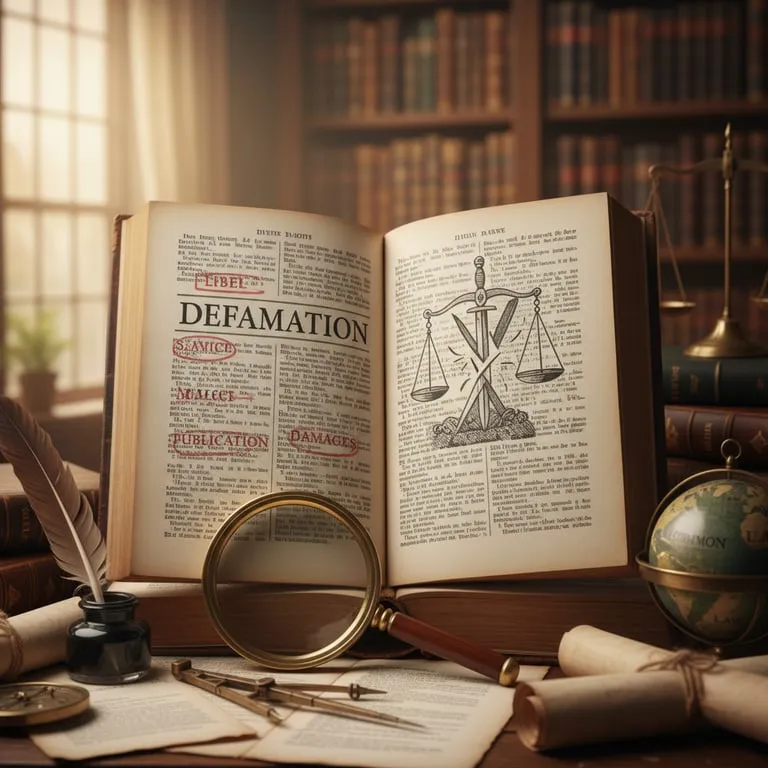
A Comprehensive Guide to Understanding Defamation Law Terminology
Ever felt like words could sting, like a sharp jab that leaves a mark? We’ve all been there, right? In today’s super-connected world, where opinions fly around faster than a speeding bullet, understanding what’s considered legally problematic when it comes to speech is more important than ever before. It can get pretty confusing with all those fancy legal terms, but don’t you worry your head about it! I’ve put together this guide to help demystify some of the common jargon in defamation law, making it feel a little less like a foreign language and more like a friendly chat. Let’s dive in and get our heads around this together, shall we? It’s going to be a breeze!
📌 Key Takeaways
- Understanding defamation is absolutely crucial in our fast-paced digital age.
- Key terms like “defamatory statement,” “publication,” and “fault” are the bedrock of these cases.
- Distinguishing between fact and opinion is vital for navigating these waters.
- Public figures have a significantly higher burden of proof to meet.
What Exactly is Defamation Anyway?
So, at its heart, defamation law is all about protecting people’s reputations from false statements that can harm them. Think of it as a shield for your good name! It’s split into two main flavors: libel and slander. Libel is defamation in a fixed form, like something written in a book, a newspaper article, or even an online post. Slander, on the other hand, is usually spoken defamation, which can be trickier to prove because it’s often fleeting. It’s like the difference between a permanent scar and a nasty rumor whispered in passing, you know?
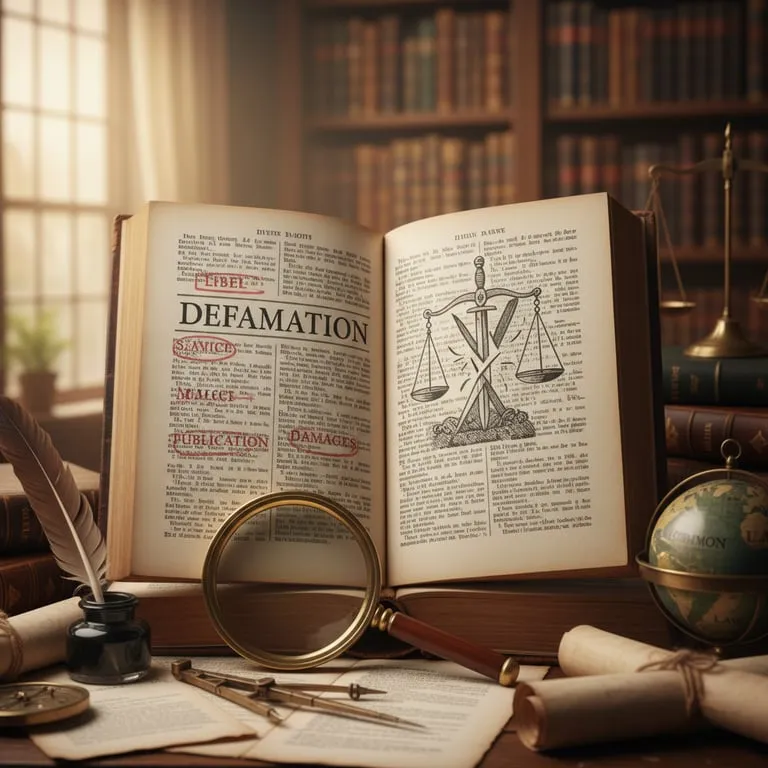
Libel vs. Slander
Libel: Written or permanent form (e.g., articles, online posts). Slander: Spoken or temporary form (e.g., verbal accusations).
Reputation is Key
The core of defamation is the harm to one’s reputation. It’s about how others perceive you.
Unpacking the Crucial Elements
To win a defamation case, there are a few key ingredients that pretty much always need to be present. First up, you’ve got the defamatory statement itself. This has to be a statement of fact, not just an opinion, that tends to harm the reputation of another person or entity. For example, saying “John stole money from the company” is a statement of fact. Saying “John is a terrible singer” is likely just an opinion, unless it’s presented in a way that implies some factual basis for it, which can get tricky! We really need to nail this down.
Then there’s the element of publication. Now, this doesn’t mean it has to be published in a famous newspaper or anything grand like that. It simply means the defamatory statement was communicated to at least one other person besides the person it was about. So, even if you just tell a friend that someone is a cheat, and that friend repeats it, that could count as publication! It’s kind of wild how easily a statement can spread, isn’t it? The speed can be startling.
And what about fault? This is where things get a little nuanced, especially depending on whether the person being defamed is a “public figure” or a “private figure.” For private figures, the plaintiff generally needs to show that the defendant was at least negligent in making the false statement. But for public figures (think politicians, celebrities, well-known activists), they have to clear a much higher hurdle: they need to prove “actual malice.” This means the person making the statement knew it was false or acted with reckless disregard for whether it was true or false. It’s a tough standard, for sure! This is a crucial distinction to remember.
The Fact vs. Opinion Tightrope Walk
This distinction is super important in defamation law. A statement of fact is something that can be proven true or false. For example, “The building is 50 stories tall” is a factual statement. If it’s false and harms someone’s reputation, it could be defamation. But, “That building is ugly” is a matter of opinion. Generally, you can’t sue someone for defamation just because they think you’re ugly or your product is terrible, unless their “opinion” is presented in a way that implies a hidden, false factual assertion. It’s a fine line sometimes, and courts look at the context, the language used, and whether a reasonable person would understand the statement as asserting an actual fact. It’s fascinating how nuanced it all can get!
The “Reasonable Person” Test
Courts often ask: would a reasonable person interpret this statement as a factual assertion or as mere opinion? This is a really important perspective.
Common Defenses in Defamation Cases
Now, even if someone makes a statement that seems defamatory, there are usually defenses available. Truth is a big one! If the statement made is actually true, it’s generally a complete defense against a defamation claim. That’s why proving falsity is so critical for the plaintiff. Other common defenses include privilege, which can apply in certain situations like statements made during court proceedings or legislative debates (absolute privilege), or statements made in good faith on a matter of common interest (qualified privilege). It’s like having different escape routes when things get heated! It really shows the law tries to be fair.
So, as you can see, defamation law is a complex but vital area. Understanding these basic terms can make navigating online discussions and understanding your rights a whole lot easier. It’s not about stifling free speech, but about finding that crucial balance where honest opinions can be expressed without causing undue harm through false factual claims. We’ve covered quite a bit, haven’t we?
Frequently Asked Questions
Can I sue if someone posts something mean about me on social media?
Possibly! If the post contains false statements of fact that harm your reputation, and it was “published” (seen by others), it could potentially be defamation (libel, since it’s written). However, proving fault and falsity can be challenging, especially if it’s an opinion. You’d really need to dig into the specifics.
What’s the difference between defamation and just being insulted?
Defamation specifically involves a false statement of fact that harms reputation. An insult is typically an expression of disrespect or contempt, often opinion-based, and doesn’t necessarily involve a provable factual falsehood. It’s a pretty significant distinction.
Do I need a lawyer to pursue a defamation case?
While you *can* represent yourself, defamation law is quite complex. Consulting with an attorney experienced in defamation is highly recommended to understand your rights, the strength of your case, and the proper procedures. It’s a wise move, I’d say!
How long do I have to file a defamation lawsuit?
This is determined by the statute of limitations, which varies by state. Typically, it’s one to three years from the date the defamatory statement was made or published. Missing this deadline can mean losing your right to sue. So, timing is everything!