Essential Guide to Understanding Hate Speech Laws and Regulations
Hey there! Ever stumbled upon something online that just felt… wrong? Like, really wrong, targeting someone or a group with hurtful words? Yeah, me too. It’s a sticky situation, and honestly, navigating what’s legal and what’s not can feel like a labyrinth sometimes, can’t it? That’s why I wanted to chat with you today about hate speech laws. We’re going to break down what these regulations are all about, why they’re so important, and how they work. Think of me as your friendly guide, helping you understand this complex topic without all the dry, legalese stuff. Ready to dive in?
- Hate speech is generally defined as expression that attacks or demeans a group based on attributes like race, religion, ethnicity, sexual orientation, disability, or gender.
- Laws vary significantly by country, with some nations having much stricter prohibitions than others, particularly in Europe.
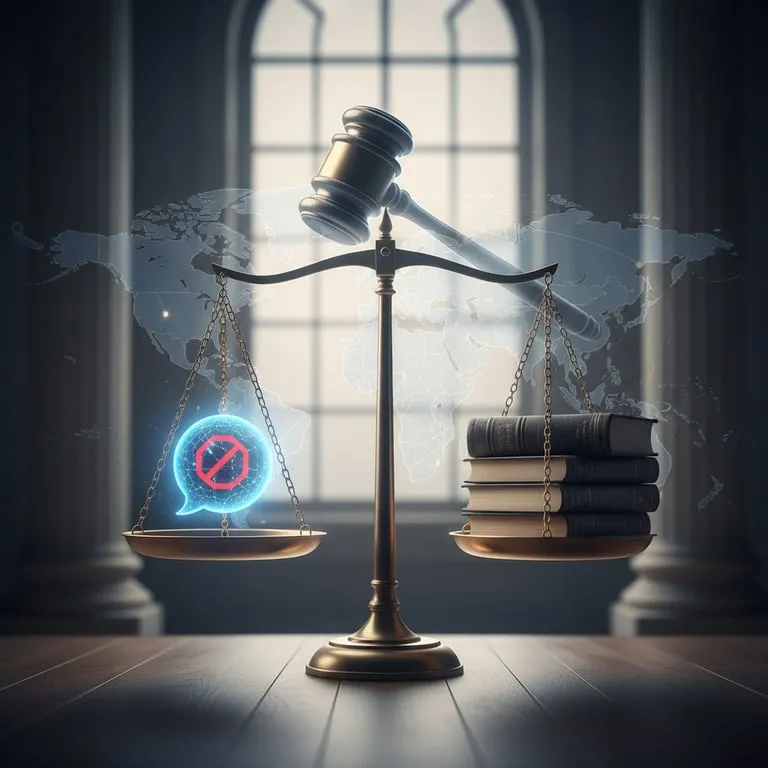
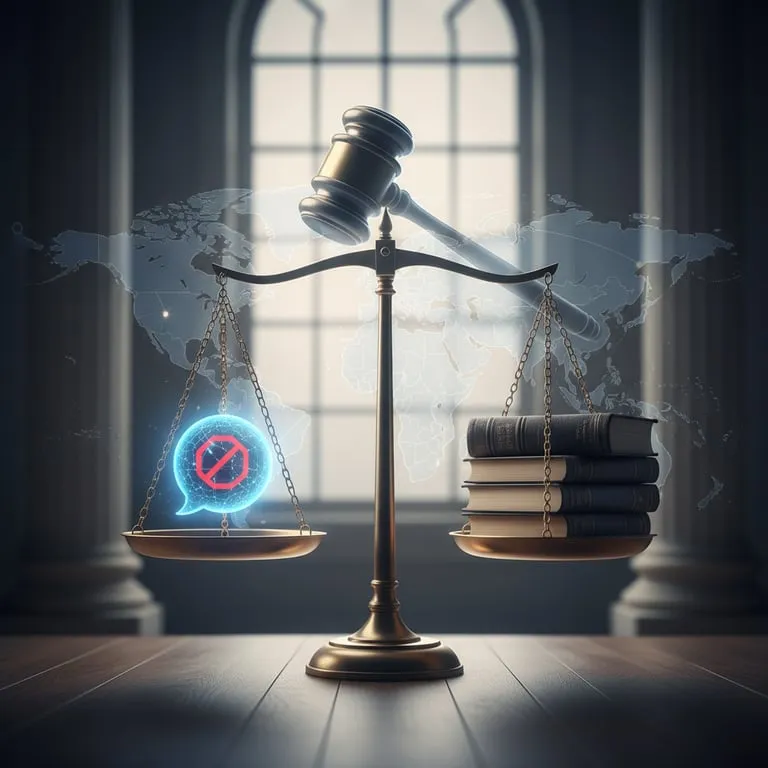
- The balance between protecting free speech and preventing harm is a core challenge in hate speech legislation.
- Understanding these laws helps foster a safer online and offline environment for everyone.
What Exactly is Hate Speech Anyway?
So, let’s start with the basics, shall we? Hate speech isn’t just about saying something rude or offensive. It’s more targeted than that. It’s typically defined as any kind of communication – be it spoken, written, or visual – that attacks, demeans, or promotes violence or prejudice against a particular group or individuals based on characteristics they can’t change. Think about things like race, religion, national origin, sexual orientation, gender identity, or disability. The intent behind it often matters, as does the potential for that speech to incite hatred or violence. It’s a heavy topic, for sure!
Defining the Lines
Understanding the specific characteristics targeted by hate speech is crucial for recognizing it.
It’s a tough balancing act, though. We cherish our freedom of speech, don’t we? But when that speech directly harms others or incites discrimination, things get complicated. This is where the laws come into play, trying to draw those often blurry lines.
Global Perspectives on Hate Speech Laws
Now, here’s where it gets really interesting: these laws aren’t the same everywhere. Not at all! In the United States, for instance, the First Amendment offers pretty broad protection for speech, even if it’s unpopular or offensive. This means that speech that might be illegal in other countries can still be protected here, unless it crosses a very high threshold, like incitement to imminent lawless action.
Contrast that with many European countries, like Germany or France. They often have much stricter laws against hate speech. After experiencing the horrors of World War II, many European nations put in place robust legal frameworks to prevent the spread of ideologies that could lead to such atrocities again. So, while you might see certain hateful expressions online that go unchecked in the US, they could land someone in serious legal trouble across the pond. It’s quite a difference, isn’t it?
“The varying legal landscapes highlight the global struggle to define and address hate speech, reflecting different historical contexts and societal values.”
Why These Regulations Matter: A Deeper Dive
Okay, so why should we even care about these laws? Well, beyond the legal implications for individuals, hate speech laws are fundamentally about protecting vulnerable communities. When hate speech goes unchecked, it doesn’t just hurt; it can create an environment where discrimination, prejudice, and even violence can fester and grow. Imagine the chilling effect it can have on targeted groups, making them feel unsafe, marginalized, and silenced. That’s no way for anyone to live, right?
Furthermore, these laws play a role in shaping our public discourse. By setting boundaries on what kind of expression is deemed unacceptable, societies send a clear message about their values. It’s about fostering respect, inclusivity, and dignity for all. On platforms like social media, the debate is ongoing about how effectively these laws can be enforced, especially with the sheer volume of content generated daily. It’s a constant challenge, for sure!
Legal Frameworks
Different countries have unique approaches to regulating hate speech.
Community Protection
Laws aim to safeguard marginalized groups from harm.
Navigating the Digital Age
The internet has opened up a whole new world for communication, but it’s also created new battlegrounds for hate speech. How do we apply laws designed for the physical world to the boundless digital space? Tech companies grapple with this daily, implementing their own community guidelines and content moderation policies. But these policies can be inconsistent, and the sheer volume of content is mind-boggling!
It’s a constant evolution, isn’t it? As technology advances, so do the ways people express hate. And as societies, we have to keep adapting, learning, and discussing how best to address it. The conversation is ongoing, and it’s one that impacts all of us. Staying informed is the first step to being part of the solution.
Frequently Asked Questions
Is all offensive speech considered hate speech?
Not necessarily! While hate speech is undoubtedly offensive, not all offensive speech meets the legal definition of hate speech, which usually requires targeting a protected group with demeaning or inciting content.
How do laws differ between the US and Europe?
Generally, the US has stronger protections for free speech, making it harder to prosecute hate speech unless it incites imminent violence. European countries often have stricter laws, with broader prohibitions against expressions that demean protected groups.
Can online platforms legally remove hate speech?
Yes, absolutely! Most online platforms have their own terms of service and community guidelines that prohibit hate speech. They have the legal right to remove content and ban users who violate these rules, even if the speech wouldn’t be illegal under national law.
What is the goal of hate speech laws?
The primary goal is to protect individuals and groups from discrimination, harassment, and the potential for violence fueled by hateful rhetoric, while also navigating the complex landscape of free expression.
So, that’s a little peek into the world of hate speech laws! It’s a complex, ever-evolving area, but understanding the basics can make a real difference. Thanks for hanging out and learning with me today! Let’s keep the conversation going and strive for a more respectful digital world, okay?