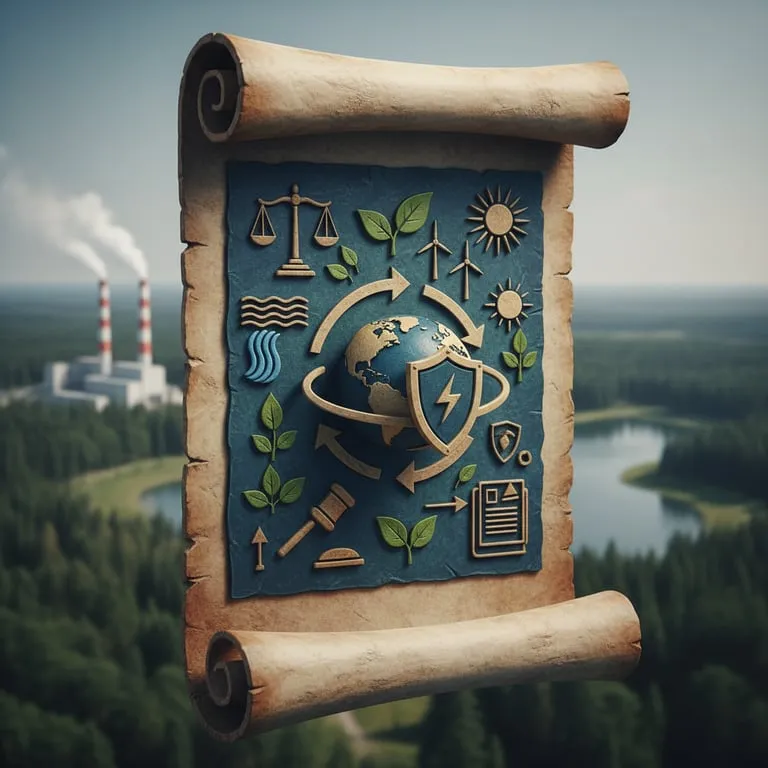
Essential Vocabulary for Environmental Law and Regulatory Compliance
📌 Key Takeaways
- Navigating environmental law can feel like a maze, but understanding key terms is your compass!
- Compliance isn’t just a buzzword; it’s about real actions protecting our planet.
- Knowing terms like “CERCLA” or “NEPA” isn’t just for lawyers; it’s for everyone committed to sustainability.
- Let’s break down some of these vital terms together, shall we?
Hey there! So, you’re diving into the world of environmental law and regulatory compliance, huh? It can sound a bit… daunting, right? Like trying to decipher a secret code! But honestly, it’s more like learning a new language that helps us all speak the same language about protecting our amazing planet. And guess what? You’ve totally got this! Think of me as your friendly guide, ready to shed some light on those often-confusing, but super important, terms. We’re going to make this journey together, one essential word at a time, okay?
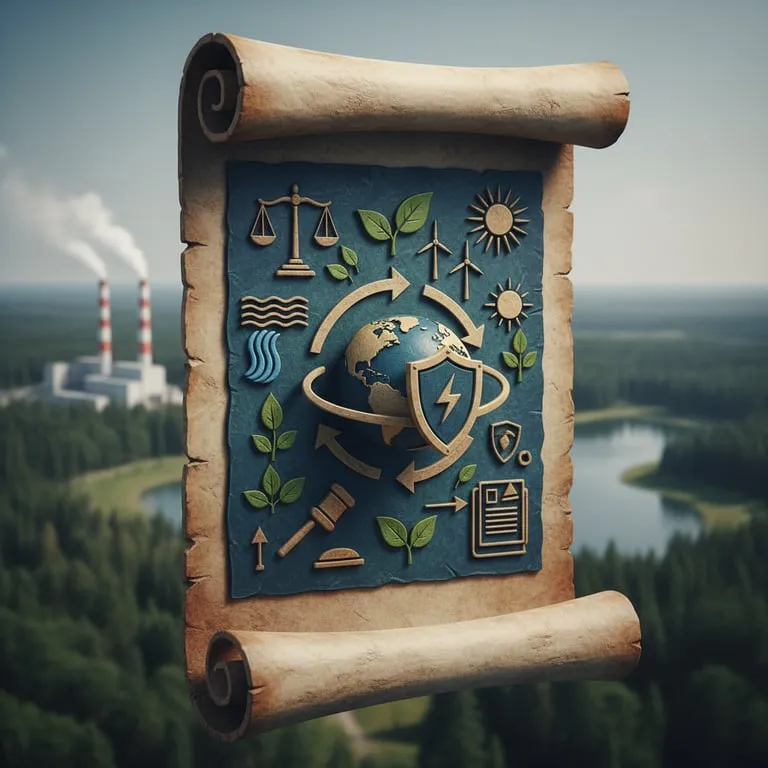
The ‘Why’ Behind the Words
Understanding these terms isn’t just about passing a test. It’s about grasping the real impact of regulations on businesses and, more importantly, on the environment we all share. It’s about fostering a culture of responsibility, you know?
Making Compliance Click
When you know what words like “emissions standard” or “permitting process” actually mean in practice, compliance stops feeling like a burden and starts feeling like a manageable, even proactive, part of operations. It’s pretty neat when it clicks like that!
Unpacking Key Environmental Legislation
CERCLA: A Superfund Story
Ever heard of Superfund? That’s where the Comprehensive Environmental Response, Compensation, and Liability Act (CERCLA) comes in! Enacted back in 1980, its main gig is cleaning up uncontrolled or abandoned hazardous waste sites. Think of it as our nation’s emergency response system for toxic messes. It also established a tax on chemical and petroleum industries to fund cleanup efforts. A whopping $1.6 billion was spent on Superfund sites in 2023 alone, showing just how critical these cleanups are!
NEPA: Ensuring Environmental Review
Then there’s the National Environmental Policy Act (NEPA). This one’s all about making sure federal agencies consider the environmental impact of their proposed actions *before* they happen. It’s a crucial step that often involves preparing an Environmental Assessment (EA) or a more detailed Environmental Impact Statement (EIS). These documents can be hundreds, even thousands, of pages long! For instance, a major infrastructure project might require an EIS that analyzes impacts on everything from local wildlife to air quality. It’s a powerful tool for thoughtful planning, don’t you think?
“Understanding the legal framework isn’t just about avoiding fines; it’s about becoming a responsible steward of our environment. It’s a mindset shift that benefits everyone.”
Compliance Concepts You’ll Encounter
Permitting: The Official Green Light
Think of environmental permits like the necessary permissions you need to build something or operate a business in a way that meets legal standards. Whether it’s an air quality permit, a water discharge permit, or a waste management permit, they all set specific limits and requirements. Failing to obtain or comply with these can lead to some hefty penalties – sometimes millions of dollars!
Common Permit Types
Air Permits
Water Discharge Permits
Waste Permits
Due Diligence: The Prudent Check
This one is super important, especially when buying or selling property or businesses. Environmental due diligence involves investigating potential or existing environmental contamination and liabilities. It’s about doing your homework to understand the environmental risks involved. Missing this step could mean inheriting a costly cleanup nightmare! In 2022, the global environmental consulting market was valued at over $37 billion, a testament to how seriously this is taken.
Putting It All Together: Your Action Plan
Step 1: Familiarize Yourself
Start by getting comfortable with the terms that are most relevant to your industry or interests. Don’t feel like you need to become a lawyer overnight! Just understanding the basics makes a world of difference.
Step 2: Seek Reliable Resources
The U.S. Environmental Protection Agency (EPA) website is an incredible resource! You can find plain-language explanations of laws, regulations, and common terms there. Seriously, it’s a goldmine!
Step 3: Stay Updated
Environmental laws and regulations are not static; they evolve! Keeping up with changes, even generally, is key to staying compliant and informed. It’s a bit like keeping up with tech trends, but for the planet!
See? Not so scary after all! Learning this new vocabulary is really about empowering yourself and contributing to a healthier future. Every bit of understanding helps build a stronger foundation for sustainable practices. Keep learning, keep asking questions, and know that your efforts truly matter!
Got More Questions?
What’s the biggest difference between CERCLA and RCRA?
Great question! While both deal with hazardous waste, CERCLA (Superfund) focuses on cleaning up existing contaminated sites, often historical ones, and liability for that cleanup. RCRA (Resource Conservation and Recovery Act) is more about managing hazardous waste from cradle-to-grave – how it’s generated, transported, treated, stored, and disposed of now.
How do I know which environmental permits my business needs?
That often depends heavily on your specific industry, location, and operations. The best first step is usually to consult your state’s environmental agency or a qualified environmental consultant. They can guide you through the permitting process tailored to your needs.
Is environmental compliance only for big corporations?
Absolutely not! While regulations might seem geared towards larger entities, businesses of all sizes have environmental responsibilities. Many regulations have scaled requirements, and even small businesses can face significant penalties for non-compliance. Plus, adopting sustainable practices is often good for business, regardless of size!
What does “Best Available Technology” (BAT) mean?
BAT refers to the most effective and advanced technologies and methods used to prevent or minimize pollution. Regulatory agencies often require businesses to use BAT to meet environmental standards, ensuring that pollution controls are as efficient as possible given economic feasibility.