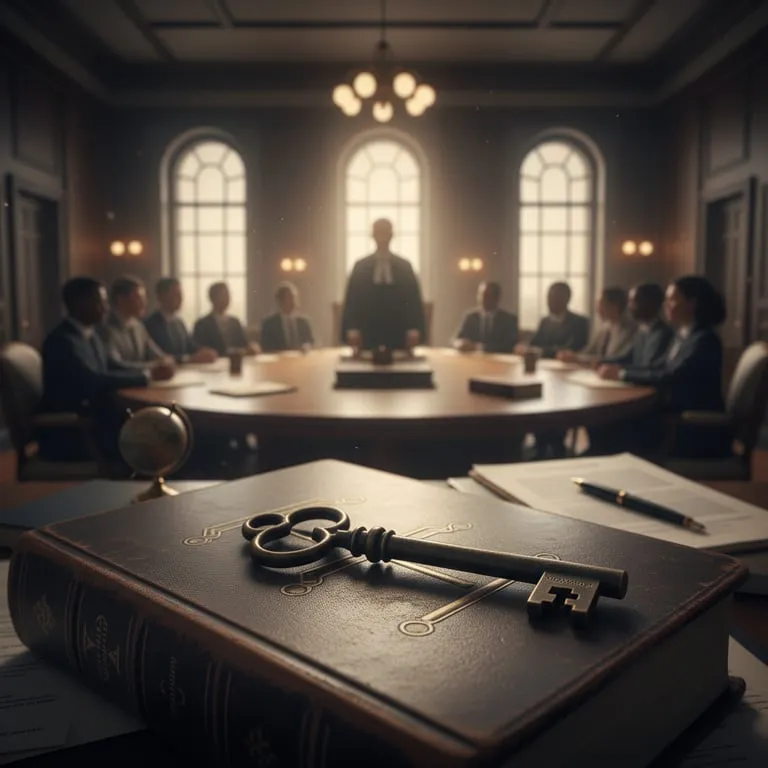
Key English Terms for Understanding Grand Jury Proceedings
Key Takeaways
- Grand jury proceedings are a bit like a secret club, and knowing the lingo helps you feel more in the know!
- Terms like “indictment,” “presentment,” and “subpoena” are super important for grasping what’s happening.
- Understanding the roles of the prosecutor, defense attorney (if present), and grand jurors themselves is crucial.
- It’s not a trial, but a crucial step that determines if there’s enough evidence to move forward to one.
Hey there, friend! Ever found yourself hearing about grand juries on the news or in movies and feeling a little lost in the legal jargon? I totally get it! It can sound super formal and, let’s be honest, a bit intimidating. But really, it’s just a fascinating part of our justice system, and understanding a few key English terms can make all the difference in following along. Think of it like learning a secret handshake to get into a cool club – once you know the words, everything opens up! Today, we’re going to break down some of the most important phrases you’ll encounter when talking about grand jury proceedings. Let’s dive in, shall we?
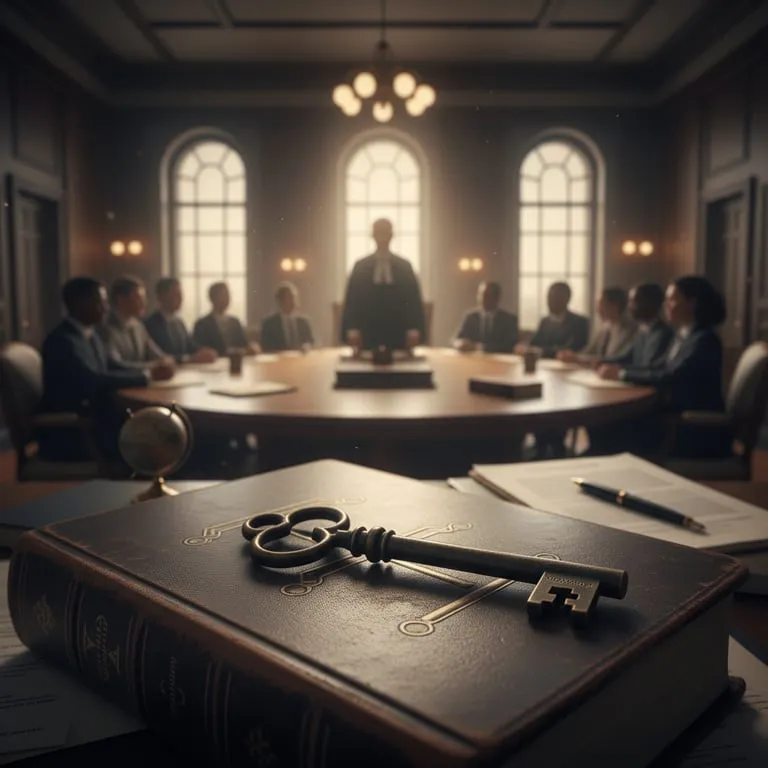
The Grand Jury’s Role
It’s a group of citizens, usually 16 to 23, who hear evidence presented by the prosecutor to decide if there’s probable cause to indict someone for a crime. Pretty neat, right?
What’s “Indictment” Anyway?
This is probably the most common term you’ll hear. An indictment is basically a formal accusation that a crime has been committed. When a grand jury votes to issue an indictment, they’re saying, “Yep, we’ve heard enough evidence to believe there’s a strong possibility this person committed the crime they’re being accused of, and it should go to trial.” It’s a crucial step, but it’s not a conviction, mind you! It just means the case can move forward.
The Mysterious “Presentment”
Less common than an indictment, a presentment is also a formal accusation, but it originates from the grand jury itself. This means the grand jurors themselves identified potential criminal activity and are bringing it to the attention of the prosecutor. It’s a bit rarer these days, but it’s good to know it exists! It shows how grand juries can sometimes be proactive in uncovering wrongdoing.
And Then There’s the “Subpoena”
You’ve probably heard this one too! A subpoena is a legal document commanding someone to appear in court or before a grand jury to give testimony or produce evidence. It’s essentially an order. If you receive one, you really can’t ignore it! Prosecutors use these to gather all the necessary information and witness accounts to build their case. It’s how they collect the puzzle pieces, you see.
Who’s Who in the Grand Jury Room?
The Prosecutor’s Role
The prosecutor is the star player presenting the case to the grand jury. They are the ones who decide what evidence to show and which witnesses to call. Their goal is to convince the grand jury that there is enough probable cause to issue an indictment. They have a lot of power in this setting, and they are not there to prove innocence – that’s for the trial stage!
The Grand Jurors’ Duty
These are everyday citizens, just like you and me, who have been summoned to serve. They listen carefully to the evidence presented by the prosecutor. They can also ask clarifying questions, but they don’t cross-examine witnesses. Their main job is to act as a check on prosecutorial power, ensuring that individuals aren’t brought to trial without sufficient cause. It’s a serious responsibility, and they take it very seriously!
What About the Defense?
Here’s a cool quirk: in most jurisdictions, the accused individual and their attorney are *not* present during the grand jury proceedings. The defense doesn’t get to present their side of the story at this stage. It’s a one-sided presentation by the prosecution. This is a key reason why grand jury proceedings are often kept secret – to prevent the defense from knowing the prosecution’s strategy before trial. Sneaky, right?
The Secrecy Aspect
Grand jury proceedings are typically secret. This confidentiality helps protect the reputation of potential defendants, ensures witness cooperation, and prevents the premature disclosure of evidence. It’s like a mystery novel where you only get the clues gradually!
Myth Busting: Grand Jury Edition
Myth: A Grand Jury Guarantees a Conviction!
This is a big one that often gets misunderstood. An indictment from a grand jury doesn’t mean someone is guilty or will be convicted. It simply means the grand jury found enough evidence to believe that a trial is warranted. The actual trial is where guilt or innocence is determined. So, while it’s a significant hurdle, it’s definitely not the finish line!
Myth: Grand Juries Are Always Fair and Unbiased.
While grand jurors strive to be impartial, the system itself has biases. Since only the prosecutor presents evidence, and the defense isn’t typically present, the deck can be stacked. Critics argue that this process can be used to indict individuals without a full and balanced presentation of facts. It’s a complex issue with ongoing debate about reform.
Reality Check
Grand juries act as a gatekeeper. They decide if there’s enough evidence to proceed, not if the person is guilty. The presumption of innocence remains until proven guilty in a court of law.
Navigating Grand Jury Terminology
Actionable Steps for Understanding
So, how can you get more comfortable with these terms? My best advice is to approach it like learning a new language or a new game.
- Listen actively: When you hear these terms in the news or media, pause and think about what they mean in that context.
- Look them up: Don’t be afraid to do a quick search! Understanding the definition is the first step.
- Connect the dots: See how terms like “subpoena,” “prosecutor,” and “indictment” all fit together in the grand jury process.
Why Does This Even Matter?
Knowing these key English terms for grand jury proceedings isn’t just about trivia; it’s about empowering yourself with knowledge. It helps you understand a fundamental part of the legal system, make more informed decisions, and engage more critically with news and discussions about justice. It’s about demystifying something that can seem quite opaque from the outside.
Frequently Asked Questions
Can anyone just walk into a grand jury hearing?
Generally, no. Grand jury proceedings are secret. Only authorized individuals like the prosecutor, grand jurors, court staff, and witnesses (while testifying) are allowed in.
What happens if a grand jury decides NOT to indict?
If the grand jury finds insufficient probable cause, they will issue a “no bill” or a refusal to indict. This usually means the charges are dropped, and the person is free to go. However, in some cases, the prosecution might be able to present the case again later, especially if new evidence emerges.
Is the grand jury process the same everywhere?
The basic principles are similar, but there can be variations in the exact number of jurors, the duration of their service, and specific procedural rules depending on the state or federal jurisdiction.
Can a grand jury indict someone for a crime not initially presented?
Yes, this is possible. If, during the presentation of evidence for one crime, the grand jury uncovers evidence of another, they can potentially vote to indict on that additional charge, provided they have probable cause.