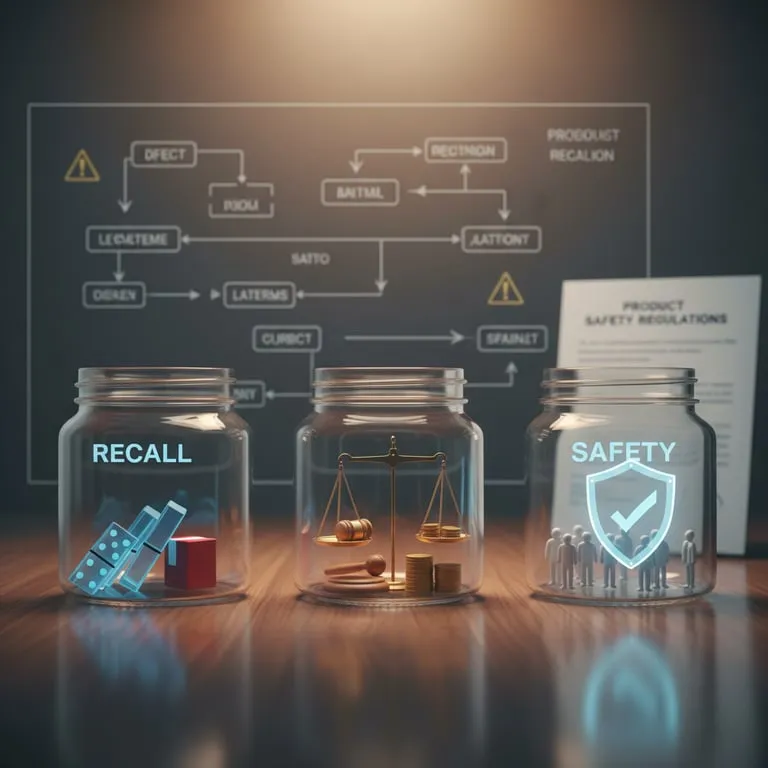
Key Vocabulary for Understanding Product Recalls and Liability
Hey there, friend! Ever feel a little lost when news about product recalls pops up on your feed? It’s like a whole other language, isn’t it? We’re living in 2025, and the world of consumer safety and manufacturer responsibility is more important than ever. Let’s break down some of the essential lingo together, so you feel totally in the loop. Think of this as your friendly guide to navigating those sometimes-confusing, but super crucial, discussions about product recalls and liability. We’ve got this! 🤝
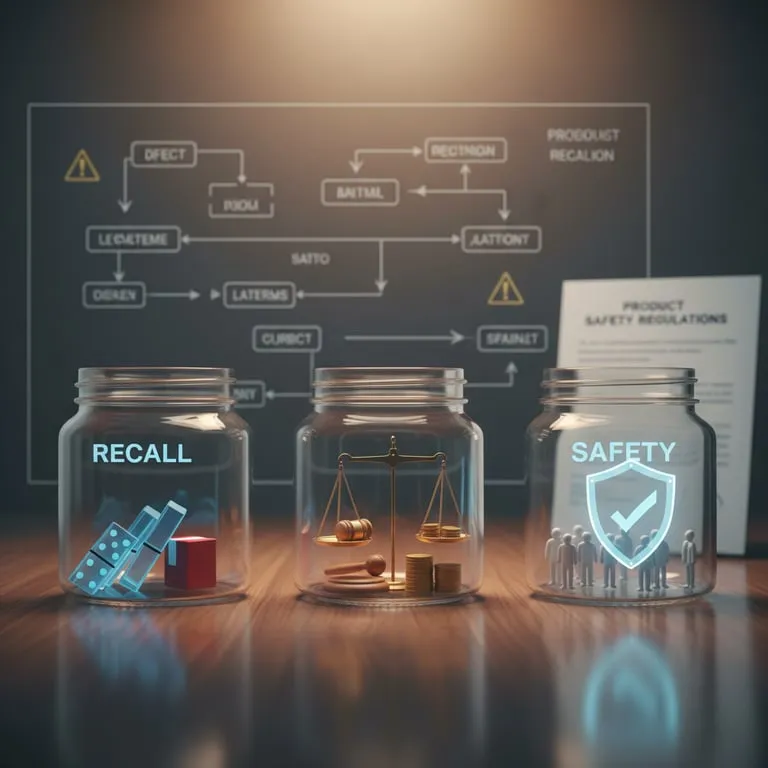
Key Takeaways
- Understanding core terms like ‘recall,’ ‘liability,’ and ‘defect’ is vital for consumers.
- Manufacturers face significant responsibilities and potential legal consequences.
- Knowing these terms empowers you to make informed purchasing decisions and understand your rights.
- The landscape is always evolving, so staying informed is a continuous journey.
What Exactly is a Recall Anyway?
So, imagine you’ve bought a shiny new gadget, right? And then, bam! The company says, “Oops, there’s a problem with this, please bring it back!” That, my friend, is essentially a product recall. It’s a formal request by a manufacturer or government agency for consumers to return a product because it has a safety or quality issue. It’s not always about a huge danger, but it could be a potential hazard, or maybe it just doesn’t perform as advertised. They do this to prevent harm and maintain trust, you know? It shows they care about their customers!
Voluntary Recall
Initiated by the manufacturer themselves when they discover an issue.
Mandatory Recall
Ordered by a government agency when a product poses a significant risk.
Think about the CPSC (Consumer Product Safety Commission) here in the US. They play a huge role in ensuring products are safe. When they identify a hazard, they can push for a recall, making sure companies take action to protect us. It’s a pretty serious process, and companies have to report potential hazards!
The Weighty Word Liability
Now, let’s chat about liability. This is a big one! In simple terms, it’s the legal responsibility a person or company has for any damage or harm caused by their actions or products. For businesses, this means they can be held responsible if their product is defective and causes injury or loss. It’s why companies invest so much in quality control and safety testing – nobody wants to be on the hook for damages! It really makes you think about how much goes on behind the scenes to keep us safe, doesn’t it?
“Liability means accountability. If your product is faulty and someone gets hurt, you’re likely going to be held responsible for that. This is why rigorous testing and transparent communication are non-negotiable for manufacturers these days.”
There are different types of liability too, like ‘strict liability,’ where fault doesn’t even need to be proven – if the product was defective and caused harm, the manufacturer is liable. Pretty intense, right?!
Defect: A Crucial Component
What makes a product eligible for a recall or subject to liability? Often, it’s a defect. This isn’t just a minor cosmetic flaw; it’s an issue that makes the product unsafe or unfit for its intended use. We can break down defects into a few key categories:
Design Defect
The product’s blueprint itself is flawed, making it inherently unsafe, regardless of manufacturing.
Manufacturing Defect
An error occurred during the production process, leading to a flaw in a specific unit or batch.
Marketing/Warning Defect
Inadequate instructions or failure to warn consumers about potential dangers associated with the product’s use.
It’s all about ensuring that what we buy is not only functional but, more importantly, safe for us and our families to use. The sheer volume of goods produced globally means these issues, while hopefully rare, can affect a lot of people quickly!
| Term | What it Means | Why it Matters |
|---|---|---|
| Recall | Manufacturer or government request to return a product due to safety/quality issues. | Protects consumers from potential harm. |
| Liability | Legal responsibility for harm caused by a product. | Holds manufacturers accountable for defective products. |
| Defect | A flaw that makes a product unsafe or unusable. | The core reason for most recalls and legal actions. |
Staying Informed is Key!
Navigating these terms might seem a bit daunting at first, but understanding them gives you so much power as a consumer! It’s like having a secret decoder ring for product safety news. Knowing what a product recall means and understanding the concept of liability helps you make smarter choices when you shop and know what to do if something goes wrong. You’ve totally got this!
Your Action Plan
- Check Regularly: Bookmark CPSC.gov or your local consumer safety agency’s website.
- Register Products: Don’t forget to fill out those warranty cards – they’re often used for recall notifications!
- Be Skeptical: If a deal seems too good to be true, or if you notice something odd about a product, trust your gut!
Frequently Asked Questions
What’s the difference between a recall and a safety alert?
A safety alert is usually a warning about a potential hazard. A recall is a more formal action where the product is actively being removed from the market or returned by consumers.
Can I be sued if I resell a recalled product?
Reselling a known recalled product, especially if it poses a safety risk, can indeed lead to liability. It’s best practice to ensure recalled items are properly disposed of or returned.
Who typically pays for costs associated with a product recall?
Generally, the manufacturer bears the primary cost. This can include investigation, notification, repair, replacement, or refunds, and sometimes even disposal costs.
How do I know if a product I own has been recalled?
Check the manufacturer’s website, government recall databases (like CPSC.gov), or look for direct notifications from the company if you registered your product.