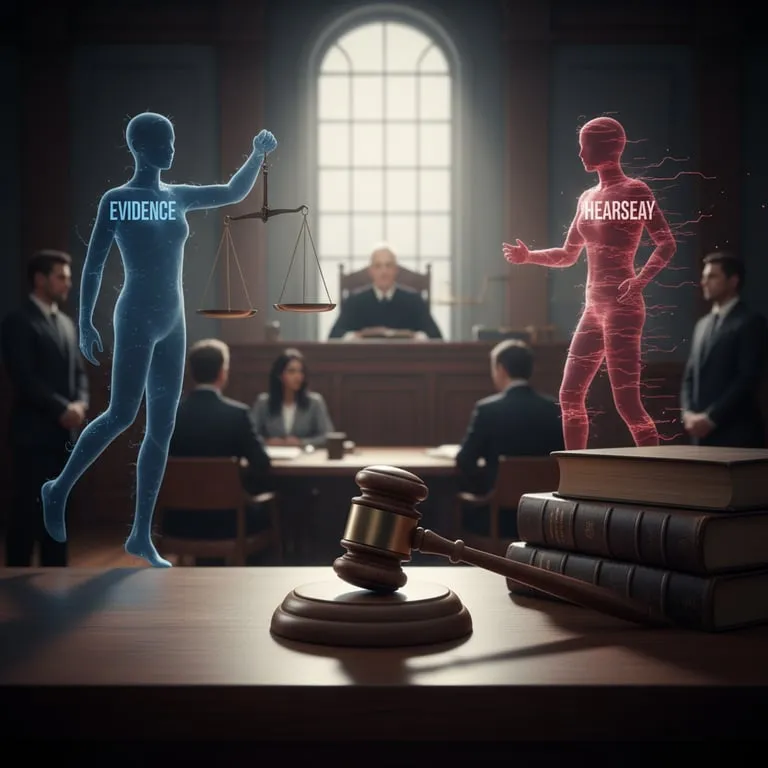
Understanding the Rules of Evidence and Hearsay in American Law Courts
Key Takeaways
- Evidence rules are like the traffic laws of the courtroom; they ensure fairness and reliability.
- Hearsay, generally, is what someone *said* outside of court, and it’s often inadmissible because we can’t cross-examine the original speaker.
- There are plenty of exceptions to the hearsay rule, making it a tricky but fascinating area!
- Knowing these basics can really demystify the legal process for you.
Hey there, friend! Ever watched a legal drama and felt completely lost when they started talking about “evidence” or “hearsay”? It’s totally understandable! These are some of the core concepts that keep American courtrooms running smoothly, and honestly, they can seem a bit daunting at first glance. But don’t you worry, because we’re going to break it all down together, in a way that makes sense. Think of me as your friendly guide, navigating these sometimes-complex waters with you. We’re not aiming for law school here, just a clear, friendly understanding of how things generally work. It’s all about making the legal world a little less mysterious, don’t you think?
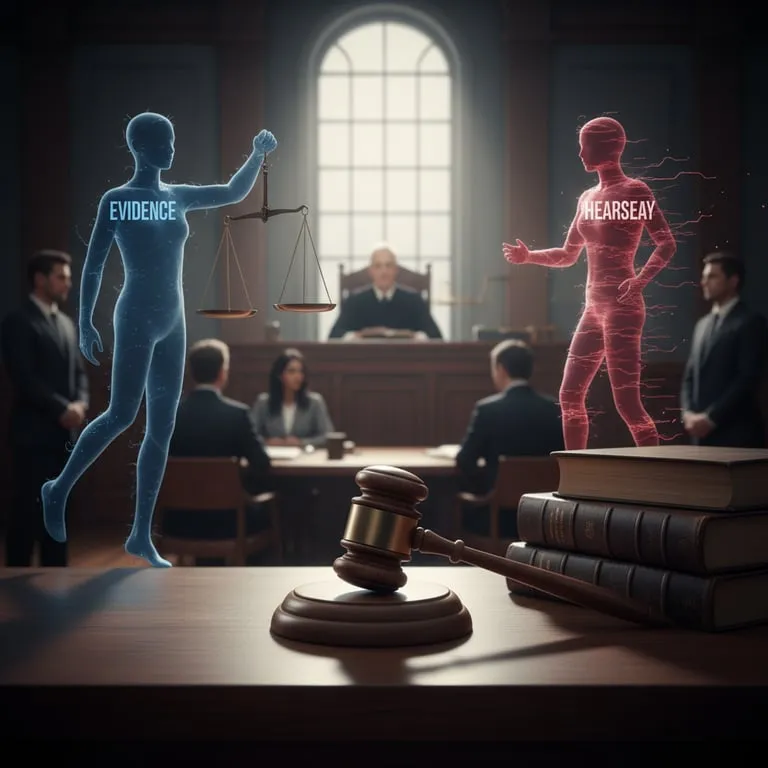
“The rules of evidence are designed to ensure that courts make decisions based on reliable information, not on speculation or emotion.” – A simple truth that rings so loud!
Why Do We Even Need Rules for Evidence?
Imagine a courtroom without rules. It would be chaos, right?! Evidence rules are essentially the guardians of fairness. They make sure that only relevant, reliable information gets presented to the judge or jury. It’s like setting the stage for a fair play – everyone needs to follow the script. This prevents things like gut feelings or irrelevant gossip from swaying a verdict. We want decisions based on solid facts, not on who can shout the loudest or tell the most convincing, albeit untrue, story. It’s about building a case brick by reliable brick, you know?
Fairness Above All
Ensuring both sides get a fair hearing.
Reliable Information
Focusing on truth and accuracy.
The Notorious “Hearsay” Rule
Ah, hearsay! This is where things get a bit more specific, and often, a bit confusing. So, what is it, really? In simple terms, hearsay is an out-of-court statement offered in court to prove the truth of the matter asserted. Let’s say your friend, Sarah, told you, “John admitted he was speeding!” If you tried to testify in court, “Sarah told me John admitted he was speeding,” that’s likely hearsay. Why? Because Sarah isn’t in court, you can’t question her directly about *why* she said that, or if she even heard John correctly. The person who originally made the statement needs to be there to be cross-examined. It’s all about the right to challenge the evidence directly, you see?
Why is Hearsay Generally Excluded?
The main reason is reliability, like we touched on. When someone makes a statement outside of court, they aren’t under oath. They might be mistaken, lying, or have misunderstood something. The legal system wants to avoid basing crucial decisions on potentially unreliable secondhand information. We need to hear directly from the source, so to speak, so we can assess their credibility. It’s about cutting out the middleman when the stakes are this high. Makes sense, doesn’t it?
But Wait, There Are Exceptions!
Now, here’s where it gets really interesting! The law isn’t always black and white, and the hearsay rule has a ton of exceptions. These exceptions exist because certain types of out-of-court statements are considered inherently reliable, even without the speaker being present to testify. For instance, dying declarations – what a person says when they believe they’re about to die – are often admissible. The idea is, who would lie at such a critical moment?! Similarly, excited utterances, made under the stress of excitement from a startling event, are usually allowed. Think of someone blurting out, “He ran the red light!” right after a crash. These exceptions help ensure that genuinely important and trustworthy information isn’t shut out simply because it technically fits the hearsay definition. It’s quite a balancing act they perform!
Dying Declarations
Statements made by a person who believes their death is imminent, concerning the cause or circumstances of their impending death. It’s considered reliable because of the solemnity of the situation.
Excited Utterances
Statements relating to a startling event or condition, made while the declarant was under the stress of excitement caused by the event or condition. The spontaneity suggests truthfulness.
Putting It All Together
So, as you can see, the rules of evidence, especially concerning hearsay, are crucial for a functioning legal system. They’re not just arbitrary technicalities; they’re designed to ensure fairness, reliability, and truth in the courtroom. While hearsay is generally not allowed, the many exceptions show how the law tries to be practical and consider situations where such statements *are* trustworthy. It’s a complex dance, for sure, but hopefully, this chat has made it feel a little more approachable for you!
Frequently Asked Questions
Can I ever use what someone else told me in court?
Generally, no, if it’s being offered to prove that what they said is true. This is the hearsay rule. However, there are many exceptions, and sometimes statements are offered for reasons other than proving their truth (like showing someone was put on notice).
What’s the difference between direct evidence and hearsay?
Direct evidence is evidence that, if believed, directly proves or disproves a fact. For example, a video of the crime. Hearsay is typically an out-of-court statement offered to prove the truth of what was said, and it’s often indirect because you can’t question the original speaker.
Are all exceptions to hearsay the same?
Not at all! They vary in how strictly they’re applied and the rationale behind them. Some, like excited utterances, are based on the idea that the circumstances make the statement reliable. Others, like business records, rely on the systematic nature of the record-keeping.
What happens if hearsay evidence is presented anyway?
The opposing party’s attorney will typically object to the evidence as hearsay. If the judge agrees that it is inadmissible hearsay and no exception applies, the jury (if there is one) will be instructed to disregard that testimony.